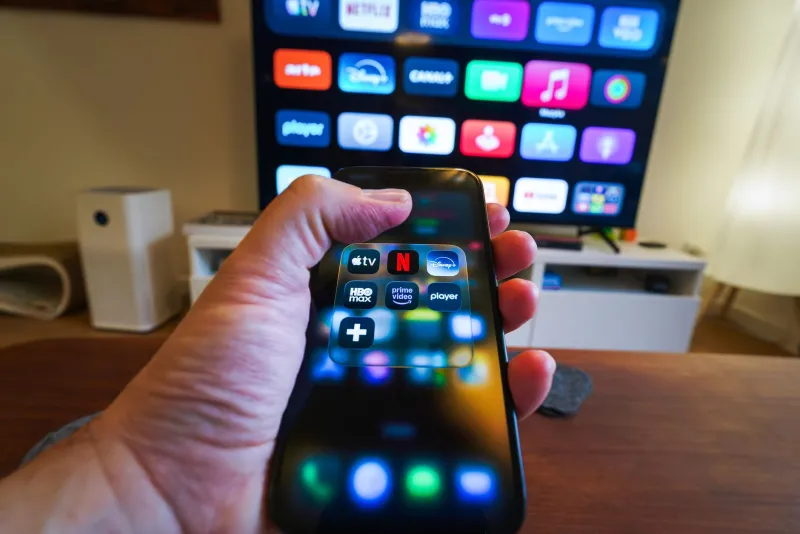
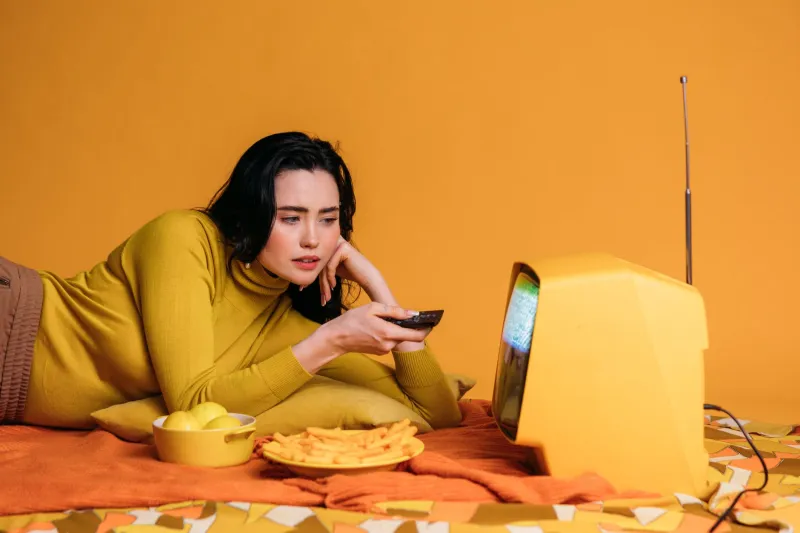
The Invisible Edit: Are Streaming Platforms Quietly Trimming the Shows You Love?
Imagine watching a tense dramatic scene — the kind where two characters sit across from each other and the silence between their lines is doing half the storytelling. Now imagine that silence has been shaved down by three seconds. You probably wouldn't notice. But the scene would feel slightly different. Slightly less heavy. And you'd be three seconds closer to the next episode starting automatically.
That's not a hypothetical. It's a practice that has been quietly spreading across the streaming industry, and it raises questions that go well beyond a few trimmed seconds.
What's Actually Being Changed
The clearest documented example came when HBO Max (now just Max) was found to have trimmed episodes of several shows when they were added to the platform — including cutting content from Sesame Street, which sparked enough public outrage to prompt a correction. But the issue runs deeper than one high-profile case.
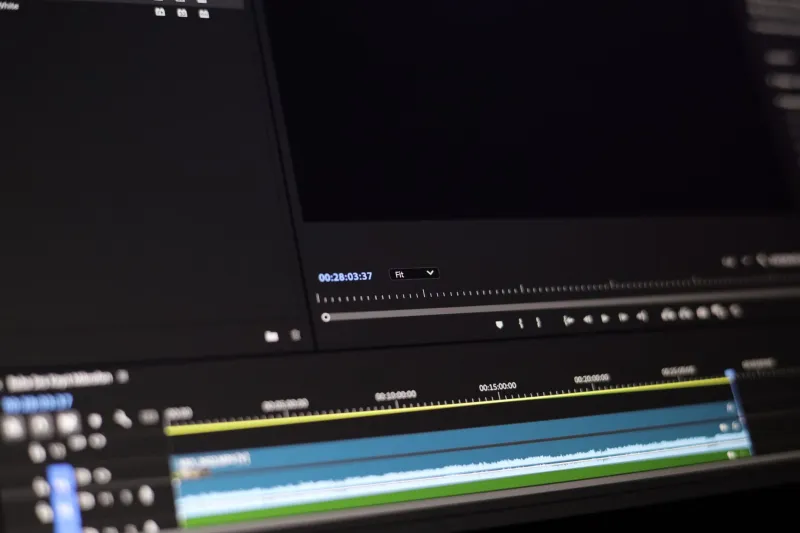
Streaming platforms have been known to adjust content in a few different ways. Some involve removing brief scenes or shortening cold opens. Others involve what industry insiders sometimes call "pacing adjustments" — trimming the dead air between lines of dialogue, tightening scene transitions, or cutting away from a lingering shot a beat or two earlier than the original edit intended.
There's also the separate but related practice of adjusting playback speed, which Netflix made headlines for when it was revealed the platform had been testing a feature that let users watch content at 1.5x speed. Filmmakers and showrunners pushed back hard, calling it a violation of their creative work. Netflix ultimately made the feature opt-in rather than default — but the fact that it was being tested at all said something about where the platform's priorities lie.
The Metric Behind the Motive
To understand why platforms do this, you have to understand what they're actually measuring. Streaming services live and die by engagement data — specifically, completion rates and session length. If viewers consistently drop off during a particular scene, or if a high percentage of people abandon an episode at a specific timestamp, that data gets noticed.
The goal of any platform is to keep you watching. Not just one show, but the next one, and the one after that. Every second of "dead air" — a slow-burn dramatic pause, a quiet establishing shot, a long comedic beat — is a second where the algorithm registers potential churn risk.
Shaving a few seconds here and there doesn't sound catastrophic. But across an entire series, across a platform with millions of titles, those micro-edits add up. And more importantly, they accumulate into something that changes the texture of the viewing experience in ways that are hard to name but easy to feel.
What Creators Think About All This
Unsurprisingly, the people who make the shows are not thrilled.
Directors and showrunners have contractual protections — "final cut" rights in particular — that are supposed to prevent unauthorized edits to their work. But those protections aren't always airtight, especially for older content that was licensed rather than originally produced by the platform. Shows that were made for network broadcast, then acquired by a streaming service, often come with fewer creative protections attached.
The tension here isn't new. Filmmakers have been fighting studios over cuts since the beginning of Hollywood. What's different now is that the editing isn't happening to create a theatrical version or an international cut — it's happening to serve a data point. The edit isn't driven by a creative decision. It's driven by a retention metric.
That distinction matters enormously to anyone who thinks of television as an art form rather than just a content delivery mechanism.
Should Viewers Actually Be Worried?
Honestly? It depends on what you're watching and where.
If you're streaming a show that was originally produced by the platform you're watching it on, you're probably getting the intended version. Netflix Originals, HBO Max exclusives, Amazon Prime originals — these were built for the platform, and the platform has every incentive to present them as intended.
The risk is higher with licensed content — shows that were made for broadcast or cable and then migrated to streaming. These are the titles where edits are harder to track, where the original broadcast version may differ from what you're currently watching, and where the creative team may have had limited ability to protect their work.
If you want to be a more informed viewer, there are a few practical things worth knowing. Fan communities — particularly on Reddit — are often the first to document discrepancies between broadcast and streaming versions of popular shows. Physical media (yes, Blu-rays still exist) almost always carries the original cut. And if a show feels oddly rushed in a way you can't quite put your finger on, trust that instinct. You might be picking up on something real.
The Bigger Question Nobody's Asking
Here's the thing that gets lost in the conversation about individual edits and specific shows: the broader implication is that the platform you're watching on has a financial interest in shaping the experience of the content it hosts — not just recommending what you watch next, but potentially influencing how you experience what you're already watching.
That's a significant amount of power to hold quietly, without disclosure, while viewers assume they're getting the definitive version of something.
At One TV, we think you deserve to know what you're actually watching. And right now, that's not always as clear as it should be. The invisible edit isn't just a technical footnote — it's a question about who gets to define the final version of a television show, and whether the answer to that question should ever be an engagement algorithm.