When Did We Stop Having the Same Favorite Show?
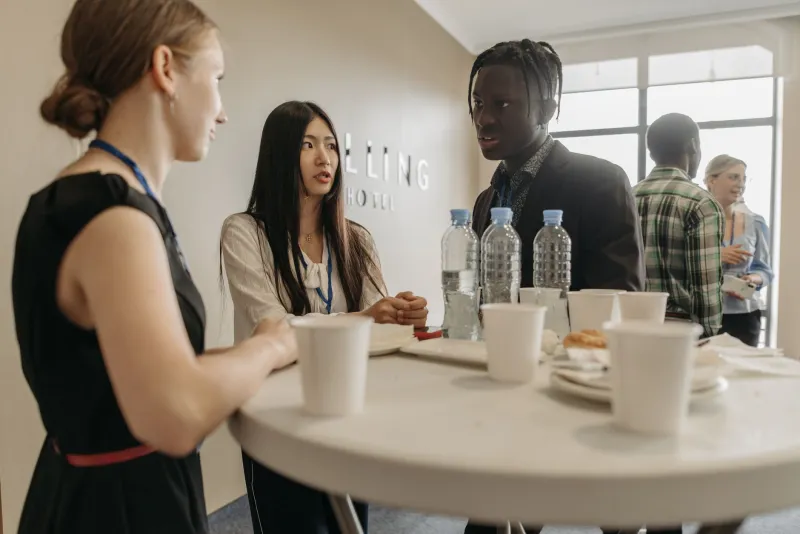
Remember when you could walk into work on a Thursday morning and just know the conversation was going to be about whatever happened on TV the night before? You didn't need to ask. You didn't need to coordinate. Everyone had watched the same thing, at the same time, on the same channel — and the whole office had opinions.
That world feels almost quaint now.
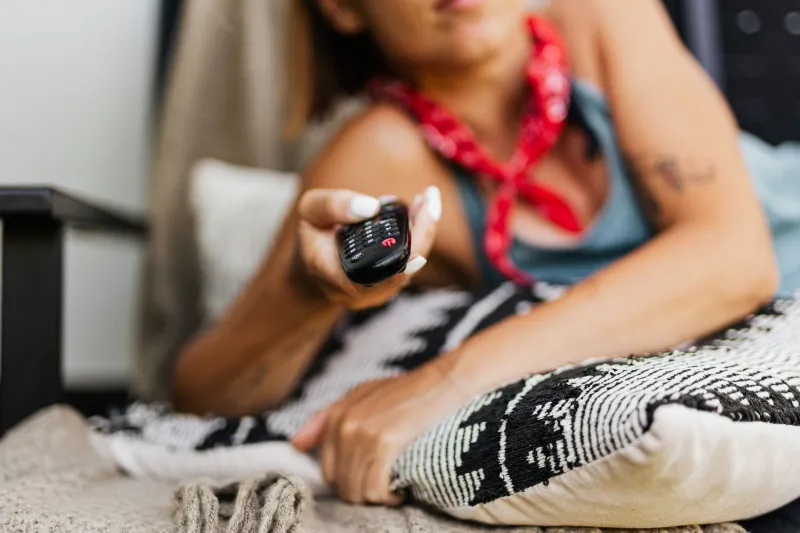
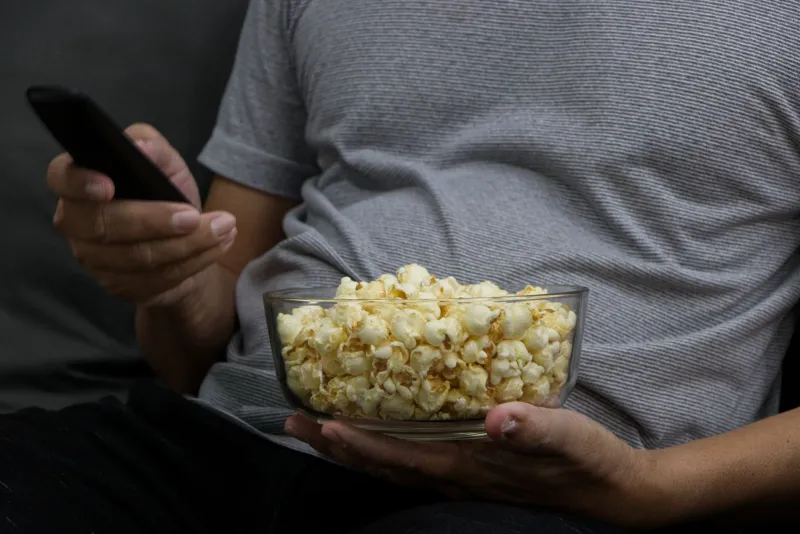
These days, asking a coworker "did you see that show?" is basically a coin flip. Not because people aren't watching television — they absolutely are, more than ever — but because the odds that you and the person sitting three desks away are watching the same thing have dropped to somewhere between slim and none.
The Golden Age of the Water Cooler
For decades, American television worked as a kind of shared cultural infrastructure. Shows like Seinfeld, ER, The Sopranos, and Lost weren't just popular — they were communal events. Tens of millions of people tuned in simultaneously, and that synchronized experience created something beyond entertainment. It created conversation. Shared reference points. A common language.
When the series finale of M*A*S*H aired in 1983, over 100 million Americans watched it. Together. On the same night. The episode was such a collective moment that water usage in some cities dropped during the broadcast because nobody was getting up to use the bathroom. That's not just a TV rating — that's a cultural phenomenon.
Even into the 2000s and early 2010s, shows like American Idol, Breaking Bad, and Game of Thrones managed to cut through and become genuine national talking points. You might not have watched every episode, but you knew the characters. You'd heard the references. You were at least adjacent to the conversation.
What Fragmentation Actually Feels Like
Now fast-forward to today. At any given moment, the average American household has access to somewhere between five and ten streaming platforms, each carrying hundreds — sometimes thousands — of titles. Netflix alone releases so much original content that it's essentially impossible to keep up, even if that's all you watched. Add in Hulu, Max, Peacock, Apple TV+, Paramount+, Amazon Prime Video, and whatever else is in your particular lineup, and you're looking at a catalog that would take multiple lifetimes to get through.
The result? Everyone's watching something. Almost nobody's watching the same something.
You might be three seasons deep into a Nordic crime thriller on a service your friend doesn't subscribe to. Your neighbor just finished a docuseries about a cult that you've never heard of. Your coworker is rewatching The Office for the sixth time and has no interest in exploring anything new. And your cousin is exclusively watching live sports and reality competition shows on broadcast TV like it's 2003.
These are all completely valid viewing choices. But they don't exactly make for easy Monday morning conversation.
The Algorithm's Role in All of This
Here's the thing that doesn't get talked about enough: this fragmentation isn't entirely accidental. Streaming platforms are specifically designed to give you a deeply personalized experience. The algorithm learns your preferences, surfaces content tailored to your taste, and quietly steers you away from anything that doesn't fit your established pattern.
That's genuinely useful on an individual level. But it also means that two people using the same platform can have almost entirely different experiences of it. Your Netflix homepage looks nothing like your roommate's. You're both subscribers, but you're living in different content universes.
The old broadcast model, for all its limitations, imposed a kind of forced commonality. There were only so many channels. The hits were the hits because everyone was choosing from the same menu. That shared constraint created shared culture.
Does It Actually Matter?
Some people would say no — that the old model was overrated anyway. Why should we all be watching the same thing just because there weren't other options? The abundance of today's streaming landscape means more stories get told, more voices get heard, more niche interests get served. A show about competitive axe throwing or the history of obscure board games can find its audience now in a way it never could have in the three-network era.
That's a fair point, and it's worth taking seriously.
But there's something that gets lost when we stop having shared cultural touchstones. Television has always been more than just entertainment — it's been a way that Americans process big ideas together. Shows like All in the Family forced conversations about race and gender into living rooms across the country. The Wire gave millions of viewers a window into urban poverty and institutional failure. Chernobyl sparked renewed public interest in nuclear safety and government accountability.
Those shows worked partly because they reached people who might not have sought them out on their own. The broadcast and early cable model put content in front of mass audiences whether they expected to engage with it or not. The algorithm, by contrast, mostly confirms what you already like.
Finding the New Common Ground
That said, the shared TV moment isn't entirely dead — it's just rarer and harder to predict. Squid Game somehow broke through and became a genuine global conversation piece. The Last of Us had people who'd never played the video game glued to their screens and talking about it everywhere. Yellowstone quietly built one of the biggest audiences in cable history before most coastal media outlets even noticed it existed.
These moments still happen. They're just lightning in a bottle now rather than a weekly occurrence.
At One TV, we think that's worth paying attention to. Because television, at its best, is still one of the most powerful tools we have for finding common ground with people who are nothing like us. When everyone's watching the same show, something interesting happens: we start talking. We disagree. We laugh at the same jokes. We're surprised by the same plot twists.
In a country that sometimes feels like it's running out of things to talk about, that's not nothing.
The Silence Between the Streams
So where does that leave us? Probably somewhere in the middle. The era of the true mass-audience water cooler show is unlikely to fully return — the economics and technology of streaming have seen to that. But the human need for shared experience hasn't gone anywhere.
Maybe the answer isn't lamenting the fragmentation but being a little more intentional about bridging it. Watch something a friend recommends even if the algorithm wouldn't have suggested it. Ask your coworker what they're into right now without assuming you'll have heard of it. Be willing to be the person who starts a conversation about a show nobody else has seen yet.
The TV landscape is bigger and more scattered than it's ever been. But the conversations worth having are still out there — they're just waiting for someone to start them.