Canceled After One Season: The Streaming Industry's Dirty Secret
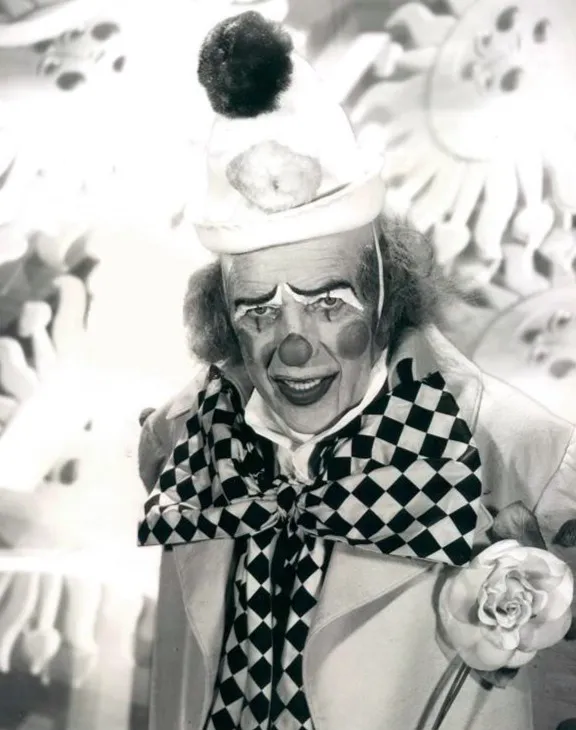
Photo: CBS Television, Public domain, via Wikimedia Commons
You found a new show. You binged the whole first season in a weekend. You told your coworkers about it on Monday. Then, a few weeks later, you Googled whether season two had a premiere date — and found a cancellation announcement instead.
If that sounds familiar, you're not alone. Across every major streaming platform, shows are getting the axe at an unprecedented rate. And while studios and networks have always made hard calls about what stays and what goes, something feels different now. The pace is faster. The decisions feel more arbitrary. And the shows getting canceled aren't always the bad ones.
So what's actually happening behind the scenes? And what does it mean for the future of television storytelling?
The Numbers Game Nobody Talks About
Traditional broadcast TV had a relatively transparent system for deciding a show's fate. Ratings — specifically Nielsen numbers — were the coin of the realm. If enough people watched, you got renewed. If they didn't, you got canceled. It wasn't perfect, but it was at least legible.
Streaming blew that model up completely.
Platforms like Netflix, Hulu, and Amazon Prime Video don't release viewership data the way broadcasters do. They operate on a proprietary mix of metrics that can include total hours viewed, completion rates, subscriber acquisition, subscriber retention, and something called "engagement lift" — essentially, whether a show convinces people to sign up or stick around. A series might be watched by millions of people, but if those millions were already subscribers who weren't going anywhere, the show may not be pulling its financial weight by the platform's internal math.
This creates a strange situation where a critically acclaimed, audience-loved show can still get canceled because it didn't move the needle on the metrics that actually matter to the business. Quality and commercial value have always been in tension in Hollywood, but streaming has sharpened that tension into something almost adversarial.
"It Doesn't Fit the Algorithm" Is the New "Low Ratings"
Speak to anyone working in television development right now and you'll hear some version of the same frustration. Shows that take time to build an audience — the kind of slow-burn dramas and quirky comedies that became cult classics in the broadcast era — are particularly vulnerable in the streaming environment.
The reason is timing. Streaming platforms tend to make renewal decisions quickly, often within weeks of a premiere. In the old days, a show like Cheers or Seinfeld — both of which had modest debut seasons — would have had time to find its footing. Under current streaming logic, those shows might have been dead before the first season finished airing.
There's also the issue of genre diversity. Algorithms are, by nature, backward-looking. They recommend content based on what users have already watched, which means unconventional or genre-defying shows get less organic discovery than safer, more familiar fare. A show that doesn't fit neatly into an existing category can struggle to reach the audience that would love it most — and then get canceled for low viewership before word of mouth has a chance to spread.
The Human Cost of Fast Cancellations
Beyond viewer frustration, there's a real human cost to the cancel-quick mentality. Writers, directors, and actors often build shows with multi-season arcs in mind. When a story gets cut off after one season, those arcs go unresolved. Characters are abandoned mid-journey. Themes that were just starting to develop get left hanging.
For creators, this isn't just a professional setback — it's a creative gut punch. Building a television series requires years of work, enormous emotional investment, and the kind of collaborative effort that's hard to replicate. When that work gets discarded based on six weeks of engagement data, the damage to morale across the industry is significant.
And then there's the audience. Viewers who invested emotionally in a story — who cared about the characters, who talked about the show with friends, who looked forward to seeing where things were headed — are left with an unresolved narrative and a growing reluctance to commit to new shows at all. Why fall for something new when it might just disappear?
The "Completion Anxiety" Effect
Here's an irony worth sitting with: streaming platforms may actually be undermining their own engagement numbers by canceling shows too quickly. There's a growing trend among viewers — particularly younger audiences — of deliberately waiting to start a new series until it's confirmed to have multiple seasons, or until it's fully complete. Call it completion anxiety.
If a significant portion of your potential audience is holding off on watching because they're afraid of getting burned again, that's going to show up in your first-season metrics. Which might then trigger a cancellation. Which proves the audience's fears justified. It's a self-fulfilling prophecy, and it's one the streaming industry seems slow to reckon with.
Is There a Better Way?
Some platforms are starting to experiment with different models. A limited series format — where a show is greenlit for a defined run of episodes from the start — removes some of the uncertainty for both creators and audiences. There's no cliffhanger that might never be resolved, no season finale that doubles as a series finale without warning.
Others are exploring the idea of more transparent communication with audiences about a show's status. Telling viewers upfront that a series is a one-and-done limited run feels very different from canceling an ongoing drama mid-story.
But the fundamental tension isn't going away. Streaming is a business, and businesses make decisions based on data. The question is whether the data being collected actually captures the full value of good storytelling — or whether it's optimizing for something narrower and, ultimately, less interesting.
What It Means for the Stories We Get to See
At One TV, we believe every channel has a story worth telling — and every story deserves the chance to be told completely. The current cancellation culture doesn't just hurt individual shows. It shapes what kinds of stories get made in the first place.
If creators know that a slow-build narrative is a business risk, they'll gravitate toward faster hooks and more immediately satisfying payoffs. If networks know that niche audiences don't move subscriber numbers, they'll fund fewer niche shows. Over time, the cumulative effect of thousands of individual business decisions is a television landscape that looks more homogeneous, more predictable, and frankly less exciting.
The golden age of TV was built on the willingness to take risks on stories that didn't fit the mold. Whether streaming can find a way to preserve that spirit — while still making the numbers work — is the defining question for the industry right now.
And for viewers who keep falling in love with shows that disappear too soon? The frustration is completely valid. You deserve to see how the story ends.