Why Gen Z Is Choosing the Clock Over the Queue
For years, the streaming industry sold us a simple promise: never watch TV on anyone else's schedule again. Watch what you want, when you want, at whatever pace you want. The appointment was dead. The broadcast clock was a relic. Television had finally been liberated from the tyranny of the Tuesday-night time slot.
And then Gen Z showed up and started setting alarms for live streams.
It sounds counterintuitive. This is the generation that grew up with YouTube, TikTok, and Spotify — platforms built entirely around the idea that you're always in control of what you consume and when. These are people who have never known a world without on-demand video. And yet, increasingly, they're the ones driving the resurgence of live, scheduled, real-time viewing events. Not because they have to. Because they want to.
Something interesting is happening here, and it's worth paying attention to.
The FOMO Economy
Let's be honest about what's really driving this. The core engine behind Gen Z's embrace of live viewing isn't nostalgia — they have none for the broadcast era — and it isn't a sudden appreciation for linear television's charms. It's fear of missing out, and more specifically, fear of being left out of the conversation.
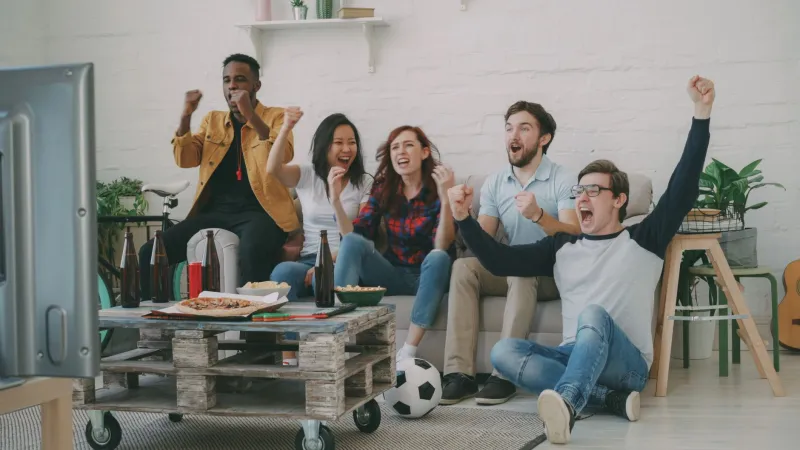
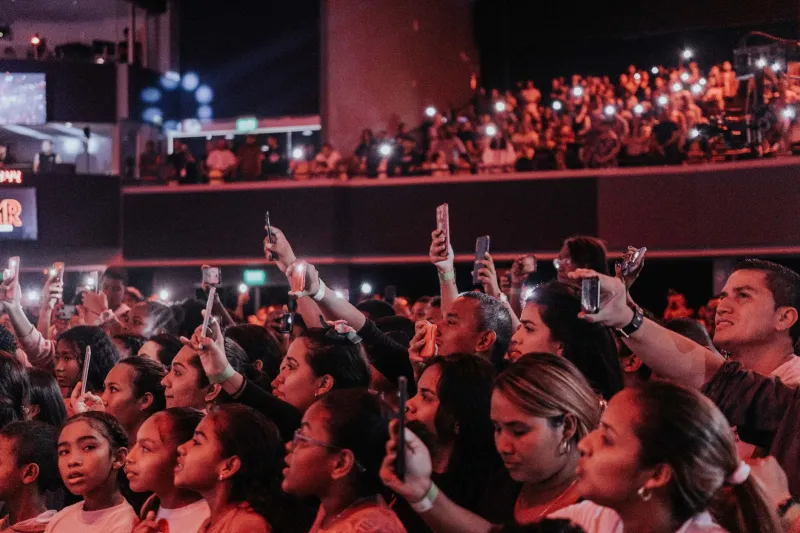
When a reality TV finale airs live, or when a major awards show unfolds in real time, social media becomes a single shared experience. TikTok fills with reactions. Twitter (or X, or whatever we're calling it this week) becomes a running commentary. Discord servers light up. Group chats go haywire. The show itself is almost secondary — what's really happening is a massive, synchronized communal event, and the only way to participate fully is to be there as it happens.
Watching the next day means watching in silence. You can't react to something everyone already processed 18 hours ago. The moment has passed, the memes have peaked, and the discourse has moved on. For a generation whose social lives are deeply intertwined with digital participation, that's not a minor inconvenience. That's exclusion.
Live Events as Social Currency
This is where it gets genuinely fascinating. Live streaming events have become a form of social currency for younger viewers in a way that on-demand content simply cannot replicate. Knowing what happened on the Love Island finale the night it aired, or being able to say you watched a major music performance live on a streaming platform — these things have social value. They signal that you're plugged in, present, engaged.
Streaming platforms have clearly noticed this. The pivot toward live content at Netflix, Amazon, and others isn't just about diversifying revenue streams — it's a direct play for this audience. The NFL games on Prime Video, the live comedy specials, the awards shows migrating to streaming platforms — all of it is designed to manufacture the kind of must-see, must-watch-now moments that on-demand libraries fundamentally cannot create.
You can watch a prestige drama whenever you want. But you can only watch the Super Bowl live once.
Reality TV Is the Anchor
If there's one genre that best illustrates this trend, it's reality television. Shows like The Bachelor, Survivor, Big Brother, and the various Real Housewives franchises have always had passionate fanbases, but in the streaming era those fanbases have become genuinely real-time communities. Viewers don't just watch — they live-tweet, post reaction videos, and participate in elaborate fan theories that evolve episode by episode.
This kind of engagement is impossible to replicate on a delay. The conversation is the content, and the conversation happens live. Gen Z viewers who might not have the patience for a slow-burn prestige drama will absolutely clear their schedule for a reality TV elimination night, because they know that's when the community comes alive.
Streaming platforms that have experimented with releasing reality competition shows week-by-week — rather than dumping entire seasons at once — have generally found stronger sustained engagement as a result. The binge model works for fiction. For reality, the appointment model works better.
The Paradox of Infinite Choice
There's a deeper irony at work here that's worth naming. The streaming era promised total freedom, but total freedom turns out to be kind of lonely. When everyone is watching something different, there's no shared reference point, no common experience, no moment that the whole culture processes together.
Live events solve that problem. They're the one format that streaming, for all its algorithmic sophistication, can't fully domesticate. A live awards show is messy and unpredictable and sometimes boring and occasionally transcendent — and everyone is experiencing that together, in real time, with no ability to skip or rewind or pause. That shared helplessness is actually part of the appeal.
Gen Z, for all their comfort with personalization and on-demand everything, appears to be hungry for exactly this kind of shared experience. They grew up with infinite choice and discovered that infinite choice can feel isolating. The live event is the antidote.
What This Means for Television's Future
I'd argue this trend is one of the most significant signals in the current TV landscape. It suggests that the streaming-versus-broadcast framing we've been using for the past decade is increasingly outdated. The real divide isn't between streaming and linear TV — it's between content that creates shared moments and content that doesn't.
The platforms that figure out how to manufacture genuine live cultural moments — not just live-adjacent events, but things that actually demand real-time participation — are going to have a significant advantage in capturing and retaining younger audiences. The ones that keep treating everything as an on-demand library are going to find themselves increasingly irrelevant to the viewers who are driving cultural conversation.
Gen Z didn't kill appointment TV. They just moved the appointment online and made it social. Which, honestly, sounds less like a rejection of the broadcast era and more like its logical evolution.
The clock isn't dead. It just got a new interface.