How Did You Miss That? The Invisible Premiere Problem Nobody's Talking About
Somewhere in the last few years, a strange new experience became completely normal. You're scrolling through social media on a random Tuesday, and suddenly everyone's posting about a show — recaps, hot takes, fan theories, the whole circus. You click around, figure out it's already three episodes deep, and realize you missed the premiere entirely. Not because you weren't paying attention. Just because nobody told you it was coming.
Welcome to the invisible premiere era.
The Old System Had One Big Thing Going for It
Love it or hate it, traditional broadcast TV operated on a schedule that functioned like a public calendar. Fall premieres in September. Midseason returns in January. The networks spent weeks — sometimes months — plastering ads on every surface imaginable. You couldn't watch a football game, flip through a magazine, or sit through a movie trailer without knowing that a new season of something was right around the corner.
That system was loud, sometimes obnoxious, and honestly kind of wonderful. It created shared anticipation. When Friends came back from summer hiatus, the whole country knew. When a new drama was about to debut on CBS, there was a cultural runway that gave casual viewers time to get interested. Premiere dates weren't just logistical facts — they were events.
Streaming quietly dismantled all of that, and most of us didn't notice until we were already lost.
The Release Calendar That Doesn't Exist
Here's the thing about streaming platforms: they don't really want you to know what's coming. Or more precisely, they want their algorithm to decide when you find out — which is usually right after you've already missed the cultural moment.
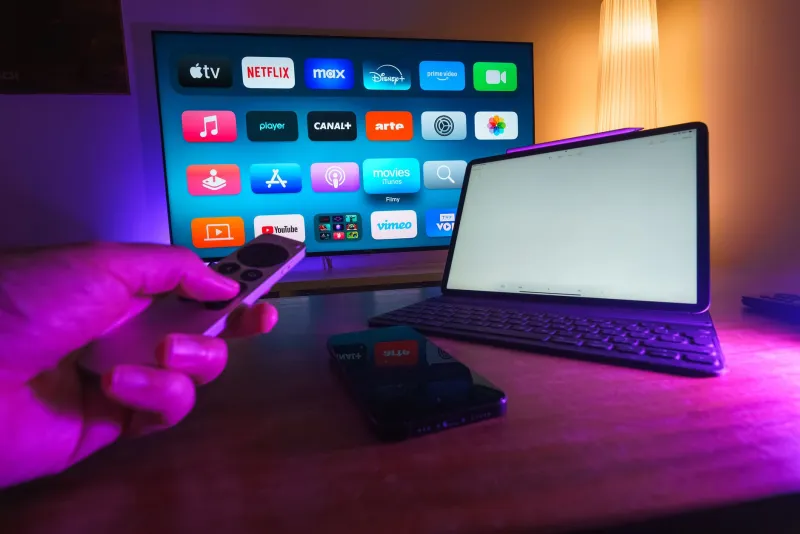
There's no unified streaming premiere calendar. There's no equivalent of the fall TV schedule that gets published every August and debated on morning shows. Netflix might drop a big series on a Friday with two weeks of promotion, or it might appear with almost no fanfare and slowly build through word of mouth. Hulu, Peacock, Max, Apple TV+ — they each operate in their own promotional universe, with varying levels of noise depending on how much they're betting on a given title.
The result? Major releases can become cultural phenomena before casual viewers even register they exist. A show can go from premiere to meme to discourse to backlash in the time it takes someone to notice it showed up in their "Recommended" row.
Algorithms Don't Send Invitations
The deeper issue is that streaming platforms have essentially replaced promotional calendars with recommendation engines. Instead of a broadcast network telling everyone at the same time "this show starts Thursday," a streaming algorithm decides individually when to surface something to each user — based on watch history, engagement patterns, and about a thousand other variables.
In theory, that's personalization. In practice, it means two people living in the same house can have completely different awareness of what's currently available. One person gets a prominent banner for a new drama the day it drops. The other person doesn't see it for two weeks, by which point the conversation has moved on.
This isn't a bug, exactly. It's just a system optimized for engagement metrics rather than communal discovery. The platforms aren't trying to keep you in the dark — they're just not trying very hard to keep everyone on the same page, either.
Staggered Releases Make It Worse
And then there's the weekly episode model, which several platforms have returned to after the binge-drop era. On paper, weekly releases extend the conversation and give shows more time in the cultural spotlight. In practice, they also create a sprawling, multi-week window during which different people are at completely different points in the story.
If a show drops all at once, the conversation peaks fast and then fades. If it rolls out weekly, some viewers are caught up, some are two episodes behind, and some haven't started at all. Spoiler anxiety runs high. The discourse gets fragmented. And anyone who missed the premiere is now playing catch-up against an audience that's already formed strong opinions.
The irony is that weekly releases were supposed to recreate that classic TV appointment-viewing energy. But without the unified promotional drumbeat that made traditional premieres feel like events, they often just create confusion about where everyone is in the story.
The Shows That Slipped Through
Ask around and you'll find that almost everyone has a version of this story. A show they discovered months after it premiered, loved immediately, and then felt vaguely cheated about — because the conversation was already cold by the time they showed up. The passionate fan communities had formed, the think-pieces had been written, and the casual cultural awareness had evaporated.
Sometimes these are genuinely great shows that deserved more attention than they got. Other times they're shows that got plenty of attention — just not from you, because the algorithm didn't prioritize surfacing them until you were already late to the party.
Either way, there's a specific kind of frustration that comes with realizing you missed a cultural moment not because you were too busy, but because the system wasn't designed to make sure you knew it was happening.
What Would Actually Help
The honest answer is that streaming platforms could do a lot more to create shared awareness around major releases. Cleaner, more consistent advance promotion. Curated premiere calendars that users can actually browse and bookmark. Notification options that let you opt into alerts for specific genres or creators without drowning in noise.
Some platforms do this better than others. But across the board, there's a gap between what's possible and what's being prioritized — and viewers are the ones absorbing the cost of that gap in the form of fractured discovery experiences.
The goal of a streaming service should be to connect you with content you'll love, not just to serve up whatever the algorithm has decided you're ready to see. Those are different objectives, and right now the industry is clearly more focused on the second one.
The Catch-Up Tax
There's a term worth coining here: the catch-up tax. It's the mental and emotional overhead of constantly playing catch-up with a TV landscape that moves faster than any individual viewer can track. The vague guilt of being behind. The spoiler avoidance. The sense that you're perpetually arriving at the party after the best conversations have already happened.
That tax is real, and it accumulates. It makes TV feel less like a shared cultural experience and more like an individual obstacle course where the finish line keeps moving.
At One TV, we believe in the idea that great television should find its audience — and that viewers shouldn't have to work overtime just to know what's worth watching. The invisible premiere problem isn't inevitable. It's a design choice. And it's one the industry could start making differently, if it decided viewers' time and attention were worth a little more coordination.
Until then, maybe bookmark a few streaming news sites. Set some alerts. And don't be too hard on yourself for missing the premiere. The system wasn't really trying to help you catch it.